
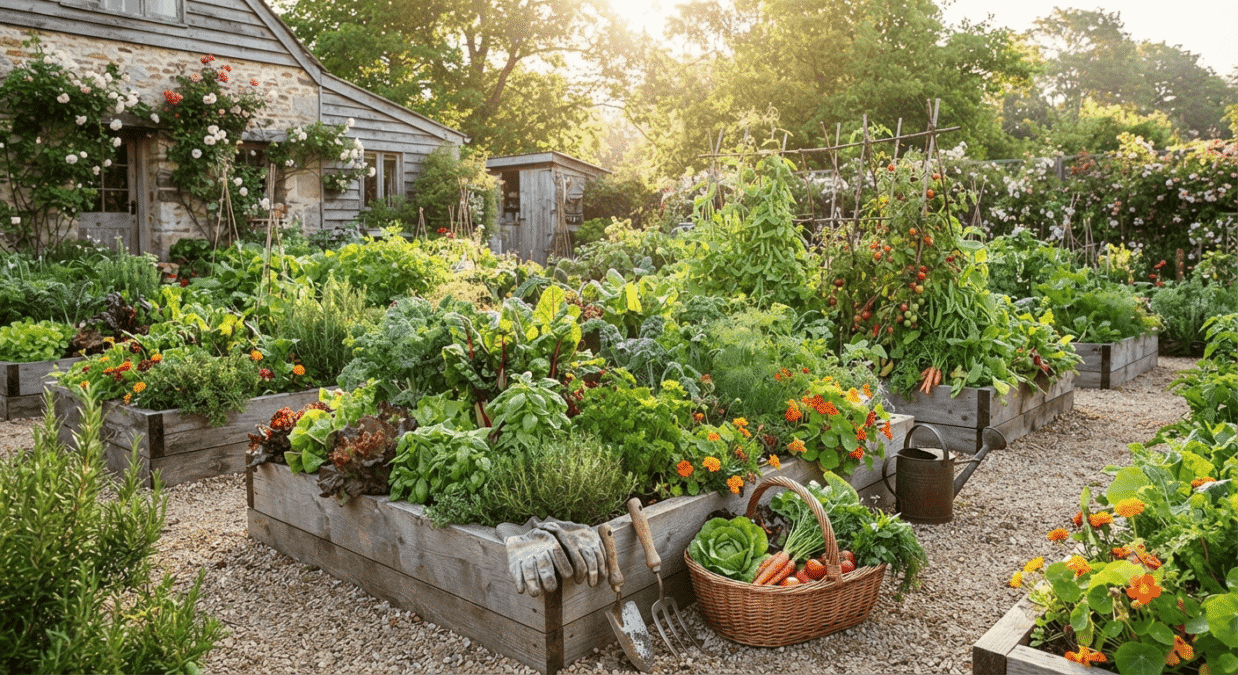
Growing your own fresh vegetables, herbs, and fruits is one of the most rewarding ways to improve your lifestyle. A kitchen garden provides easy access to nutritious produce while reducing grocery costs and helping you live more sustainably. Whether you have a large backyard, a small balcony, or even a sunny windowsill, you can create a productive kitchen garden that supplies fresh ingredients for your meals throughout the year.
What Is a Kitchen Garden?
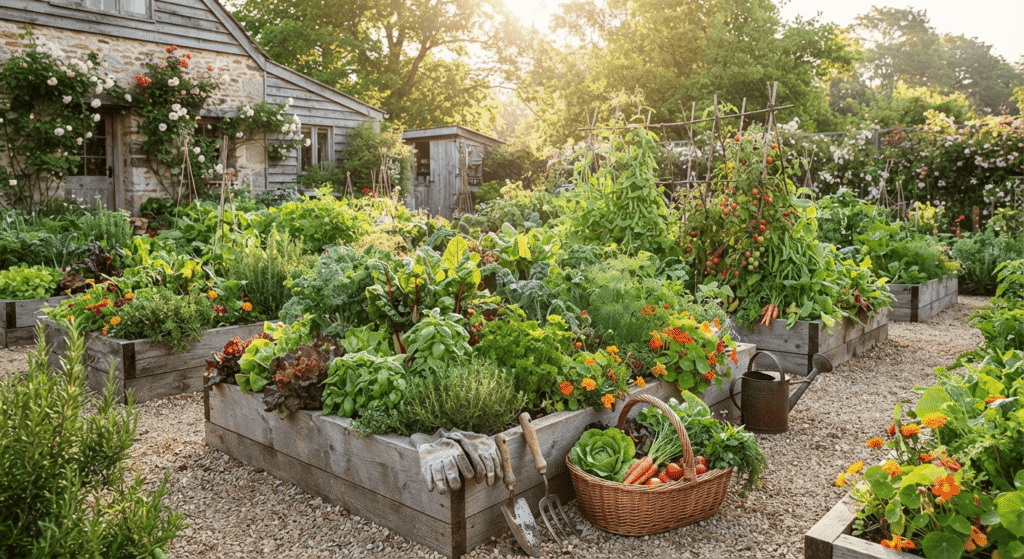
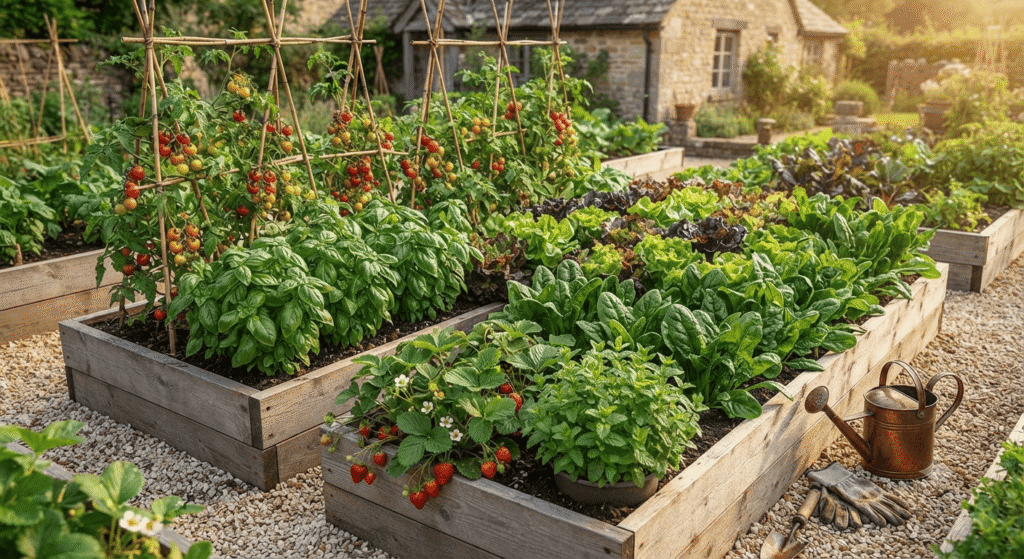
A kitchen garden is a dedicated space where homeowners grow vegetables, herbs, fruits, and edible plants for everyday cooking. Traditionally located close to the home, kitchen gardens are designed to provide convenient access to fresh ingredients.
Unlike large-scale vegetable gardens, kitchen gardens focus on practicality and frequently used crops such as tomatoes, basil, lettuce, peppers, parsley, spinach, and mint. They can be created in backyards, patios, balconies, rooftops, or even indoors using containers.
The popularity of kitchen gardening continues to grow as more people seek healthier lifestyles and greater control over the food they consume.
Benefits of Having a Kitchen Garden
Fresh and Nutritious Produce
Homegrown vegetables and herbs can be harvested at peak freshness, often providing better flavor and nutritional value than store-bought alternatives.
Reduced Grocery Expenses
Growing commonly used ingredients can significantly reduce monthly food costs. Herbs such as basil, mint, and parsley are particularly cost-effective to grow at home.
Chemical-Free Food
A kitchen garden allows you to control fertilizers and pest management methods, making it easier to grow organic produce.
Environmental Advantages
Growing food at home reduces transportation emissions, packaging waste, and reliance on commercially produced crops.
Improved Mental Well-Being
Gardening has been shown to reduce stress, improve mood, and provide a relaxing outdoor activity that promotes overall wellness.
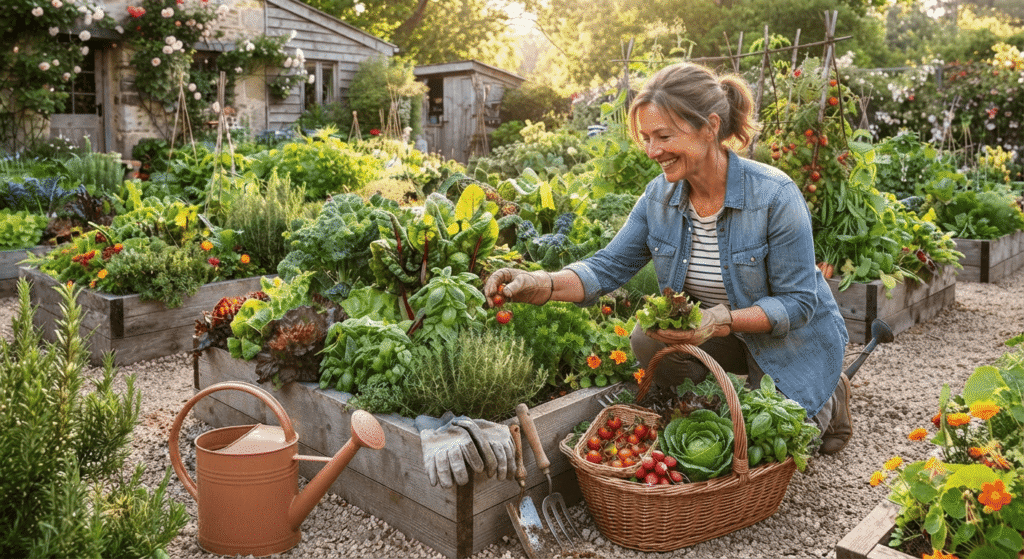
Choosing the Perfect Location
The success of your kitchen garden depends heavily on location.
Sunlight
Most vegetables require at least six to eight hours of direct sunlight daily. Observe your outdoor space to identify the sunniest areas.
Water Access
Choose a location with easy access to water. Consistent watering is essential for healthy plant growth.
Good Drainage
Avoid areas where water collects after rainfall. Excess moisture can damage roots and encourage plant diseases.
Protection from Strong Winds
If possible, position your garden where it receives some protection from harsh winds that can damage delicate plants.
Planning Your Kitchen Garden
Before planting, create a simple plan.
Evaluate Available Space
Measure the area you intend to use and decide whether you’ll grow in raised beds, containers, or directly in the ground.
Select Suitable Crops
Choose vegetables and herbs that your household regularly consumes. This ensures your efforts produce practical results.
Consider Seasonal Growing Conditions
Different plants thrive during different seasons. Research which crops perform best in your local climate.
Create a Layout
Group plants according to their sunlight, watering, and spacing requirements to maximize productivity.
Best Plants for Beginners
If you’re new to gardening, start with easy-to-grow crops.
Vegetables
- Tomatoes
- Lettuce
- Spinach
- Radishes
- Carrots
- Green beans
- Cucumbers
Herbs
- Basil
- Mint
- Parsley
- Cilantro
- Chives
- Rosemary
Fruits
- Strawberries
- Peppers
- Dwarf citrus trees
These plants generally require minimal maintenance and provide reliable harvests.
Preparing the Soil
Healthy soil is the foundation of a productive kitchen garden.
Add Organic Matter
Mix compost into the soil before planting. Compost improves structure, drainage, and nutrient content.
Test Soil Quality
If possible, test your soil’s pH level and nutrient profile. Most vegetables prefer slightly acidic to neutral soil.
Improve Drainage
Heavy clay soils can benefit from additional compost and organic materials to improve water movement.
Mulch the Surface
Applying mulch helps retain moisture, regulate temperature, and reduce weed growth.
Planting Your Garden
Starting from Seeds
Seeds are economical and offer a wide variety of plant choices. Follow packet instructions regarding planting depth and spacing.
Using Seedlings
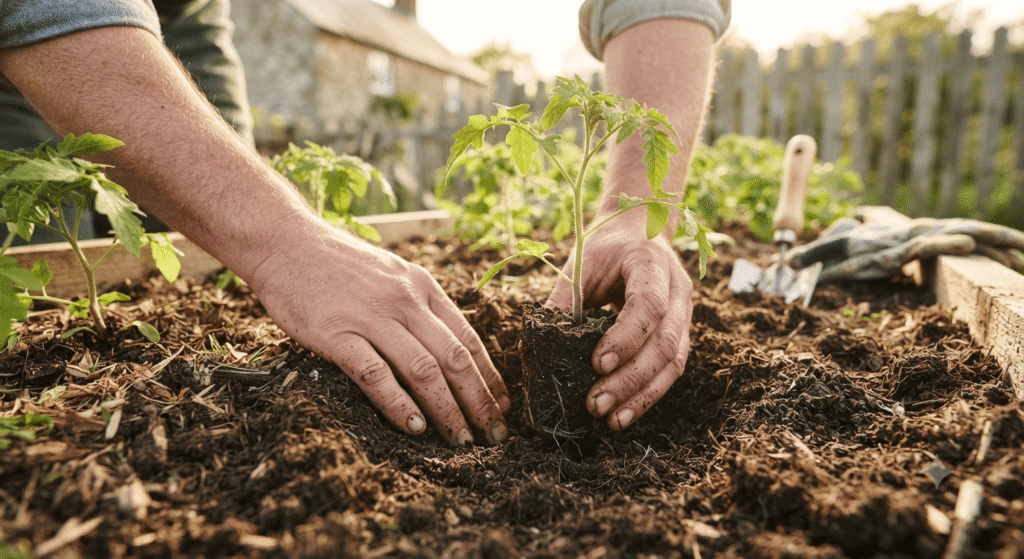
Seedlings provide a head start and often produce faster results, making them ideal for beginners.
Proper Spacing
Avoid overcrowding plants. Adequate spacing improves airflow and reduces disease risks.
Water Thoroughly
After planting, water deeply to help roots establish themselves.
Essential Kitchen Garden Maintenance
Watering
Most kitchen garden plants require consistent moisture. Water deeply and less frequently rather than shallow daily watering.
Weeding
Remove weeds regularly to prevent competition for nutrients and water.
Fertilizing
Apply organic fertilizers or compost throughout the growing season to support healthy growth.
Pruning
Prune herbs and certain vegetables to encourage bushier growth and higher yields.
Monitoring Plant Health
Inspect plants frequently for signs of pests, diseases, or nutrient deficiencies.
Common Problems and Solutions
Pest Infestations
Aphids, caterpillars, and whiteflies are common garden pests. Natural solutions include neem oil, insecticidal soap, and beneficial insects.
Yellow Leaves
Yellowing leaves may indicate overwatering, poor drainage, or nutrient deficiencies.
Slow Growth
Insufficient sunlight, poor soil quality, or inadequate fertilization can limit plant development.
Fungal Diseases
Proper spacing and airflow help reduce the risk of fungal infections.
Kitchen Garden Ideas for Small Spaces
Limited space should never prevent you from growing food.
Container Gardening
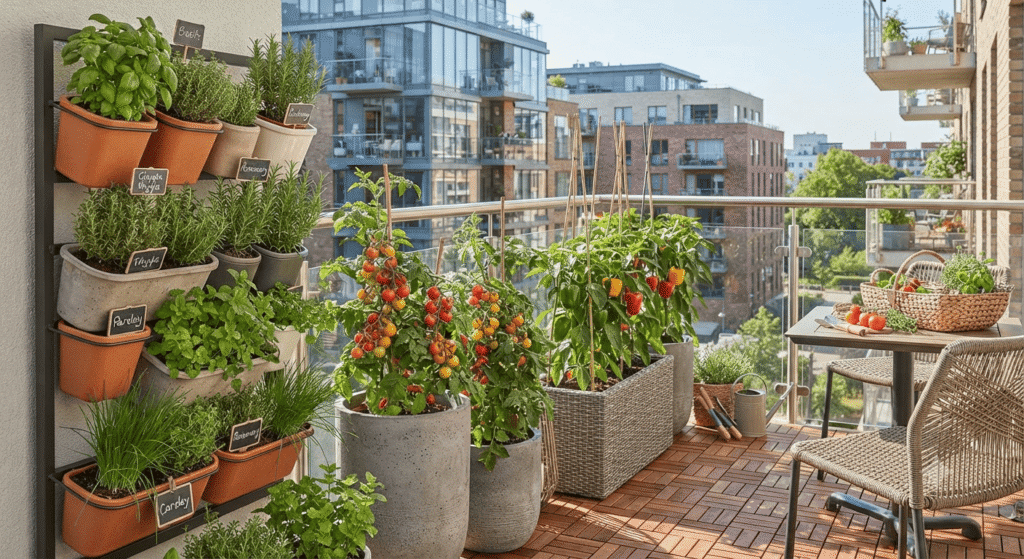
Grow vegetables and herbs in pots, buckets, and planters.
Vertical Gardening
Use wall-mounted planters, trellises, and vertical systems to maximize space.
Balcony Gardens
Balconies can support productive herb and vegetable gardens when provided with sufficient sunlight.
Window Gardens
Sunny windows are excellent locations for growing herbs indoors.
Sustainable Kitchen Gardening Practices
Compost Kitchen Waste
Fruit and vegetable scraps can be transformed into nutrient-rich compost.
Collect Rainwater
Rainwater harvesting helps reduce water consumption while providing plants with natural hydration.
Use Organic Pest Control
Avoid harsh chemicals whenever possible and encourage beneficial insects.
Rotate Crops
Changing planting locations each season helps reduce pest and disease problems.
Harvesting and Storing Your Produce
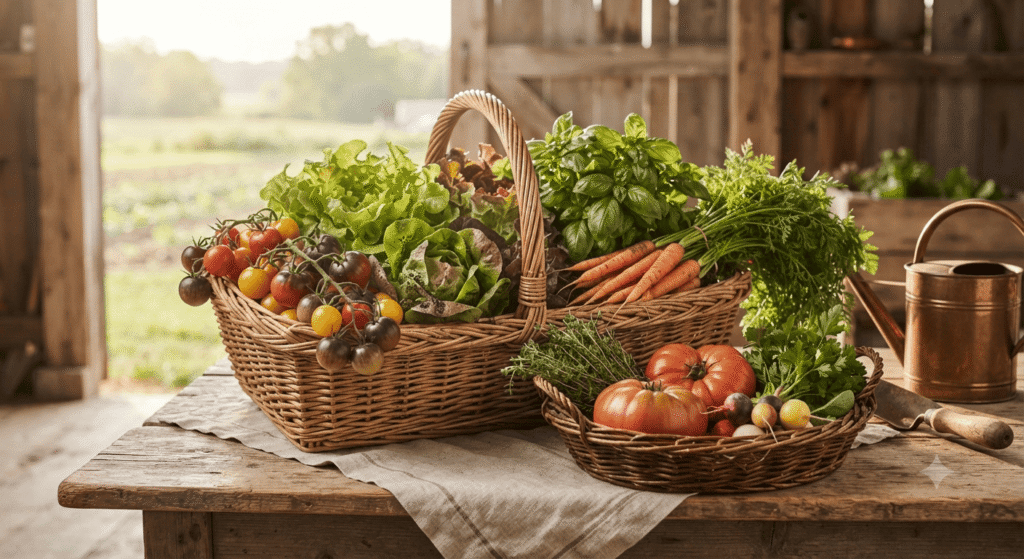
Harvest vegetables when they reach peak maturity for the best flavor and nutritional value.
Leafy greens can be harvested continuously throughout the growing season, while tomatoes, peppers, and cucumbers should be picked regularly to encourage additional production.
Store harvested produce properly to maintain freshness. Herbs can often be dried or frozen for long-term use.
Conclusion
Starting a kitchen garden is a rewarding investment in your health, budget, and lifestyle. With proper planning, quality soil, suitable plants, and regular maintenance, even beginners can enjoy a steady supply of fresh produce throughout the year.
Whether you’re growing herbs on a windowsill or cultivating vegetables in a backyard garden, every harvest brings the satisfaction of producing your own food. Start small, learn as you grow, and enjoy the many benefits that a thriving kitchen garden can provide.
